Field library
Purpose-built guides for the next decision. Each includes a practical record, example and limits.
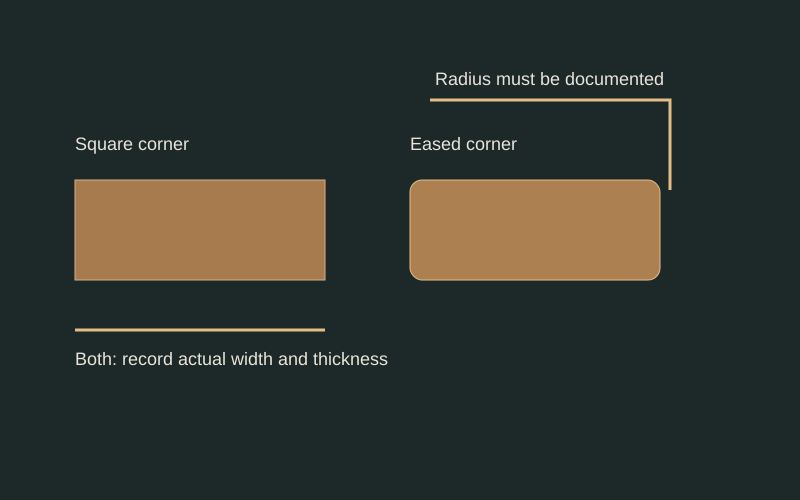
Specify a square-edge board beyond its name
Build a clear square-edge order by separating the edge shape, board size, installation joint, and visible finish.
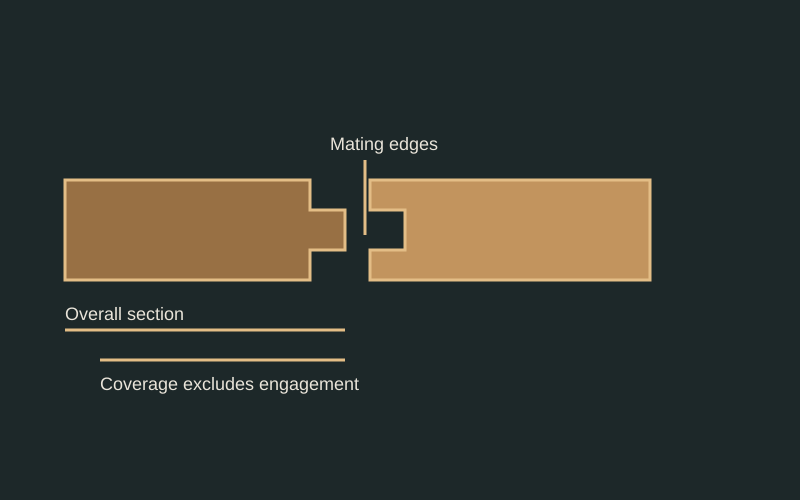
Read a tongue-and-groove section before ordering
Check the tongue, groove, shoulders, and assembled face relationship without assuming all interlocking boards are interchangeable.
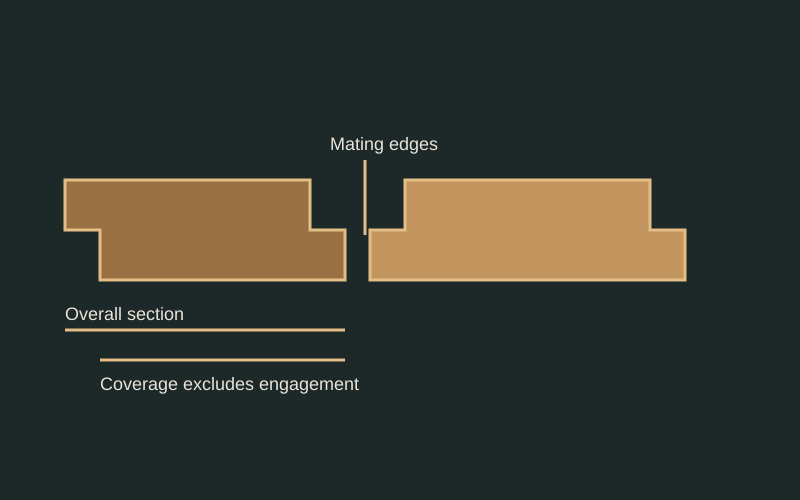
Define shiplap overlap and the visible reveal
Turn a shiplap request into a drawing that distinguishes overlap, coverage, face treatment, and installation orientation.
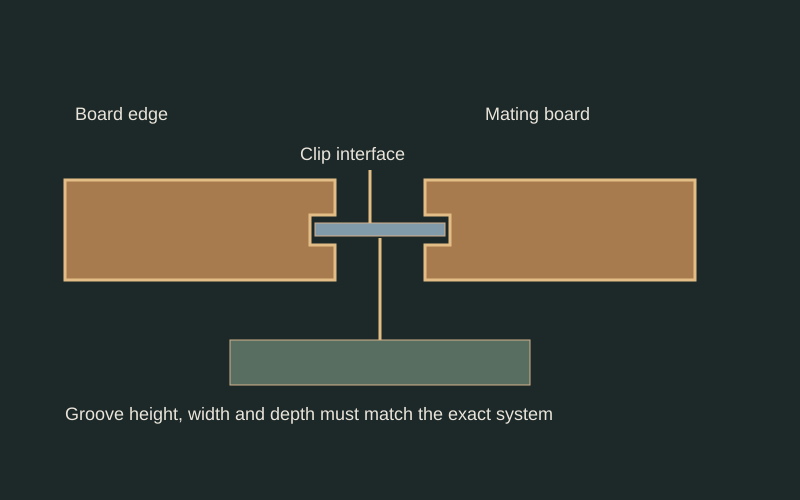
Check a grooved edge against its intended clip
Document groove geometry and clip identity before treating a hidden fastening system as a compatible assembly.
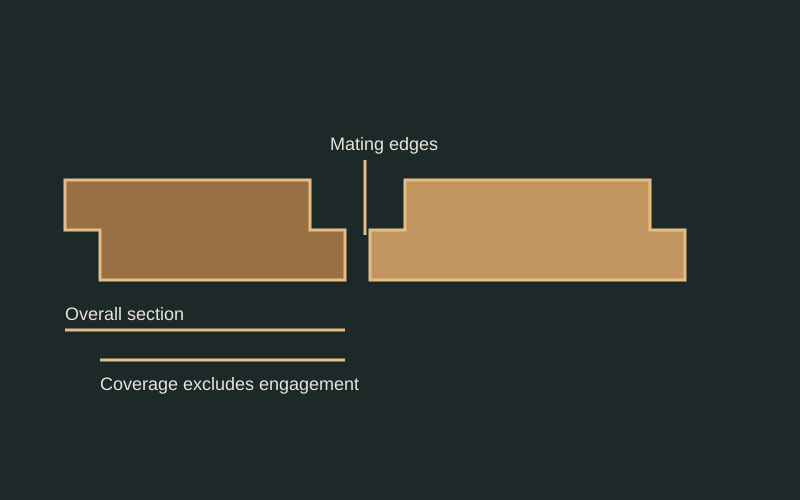
Keep face width and installed coverage separate
Avoid quantity errors by labeling the width being measured and the installed repeat used in a takeoff.
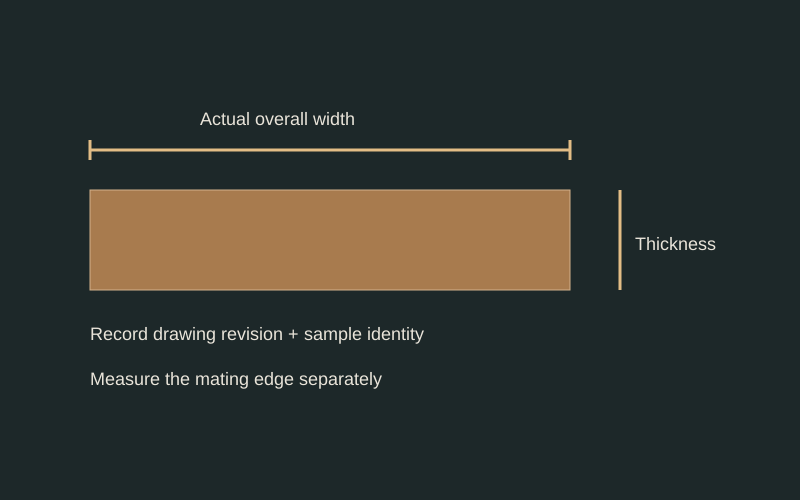
Measure a hardwood profile so another person can verify it
Build a reproducible profile record with an identified datum, tool, sample condition, and individual readings.
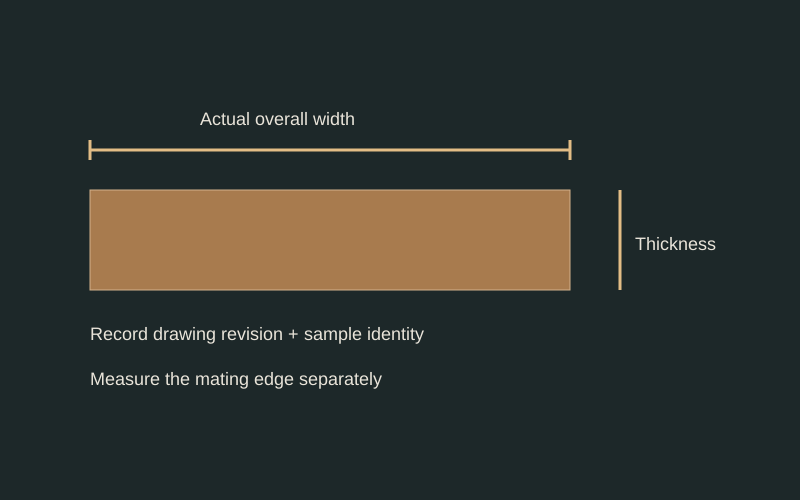
Match a replacement profile using a retained sample
Compare the entire section and installation interface before buying a board that only resembles the existing face.
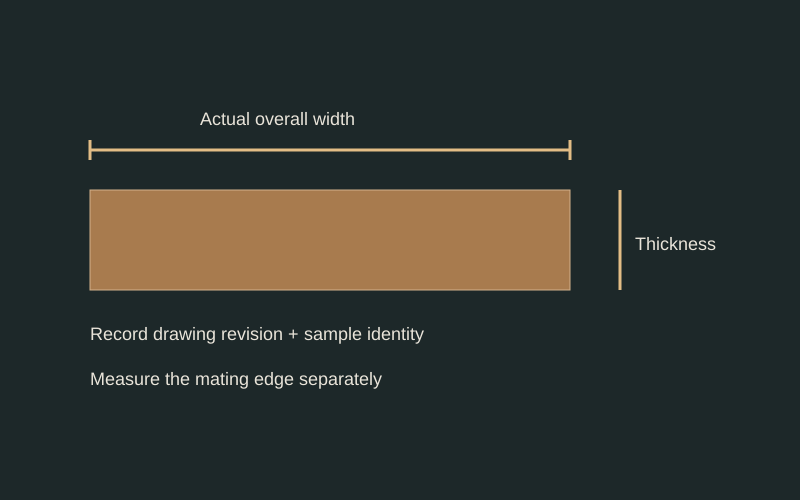
Build a profile submittal that closes the missing details
Give reviewers one coordinated record for section geometry, sample appearance, installed coverage, and interfaces.